Is Valle de Guadalupe Worth It?
An honest cost-versus-payoff look at Valle de Guadalupe: the border crossing, real tour prices, guest quotes, and which traveler types get the most out of the trip.
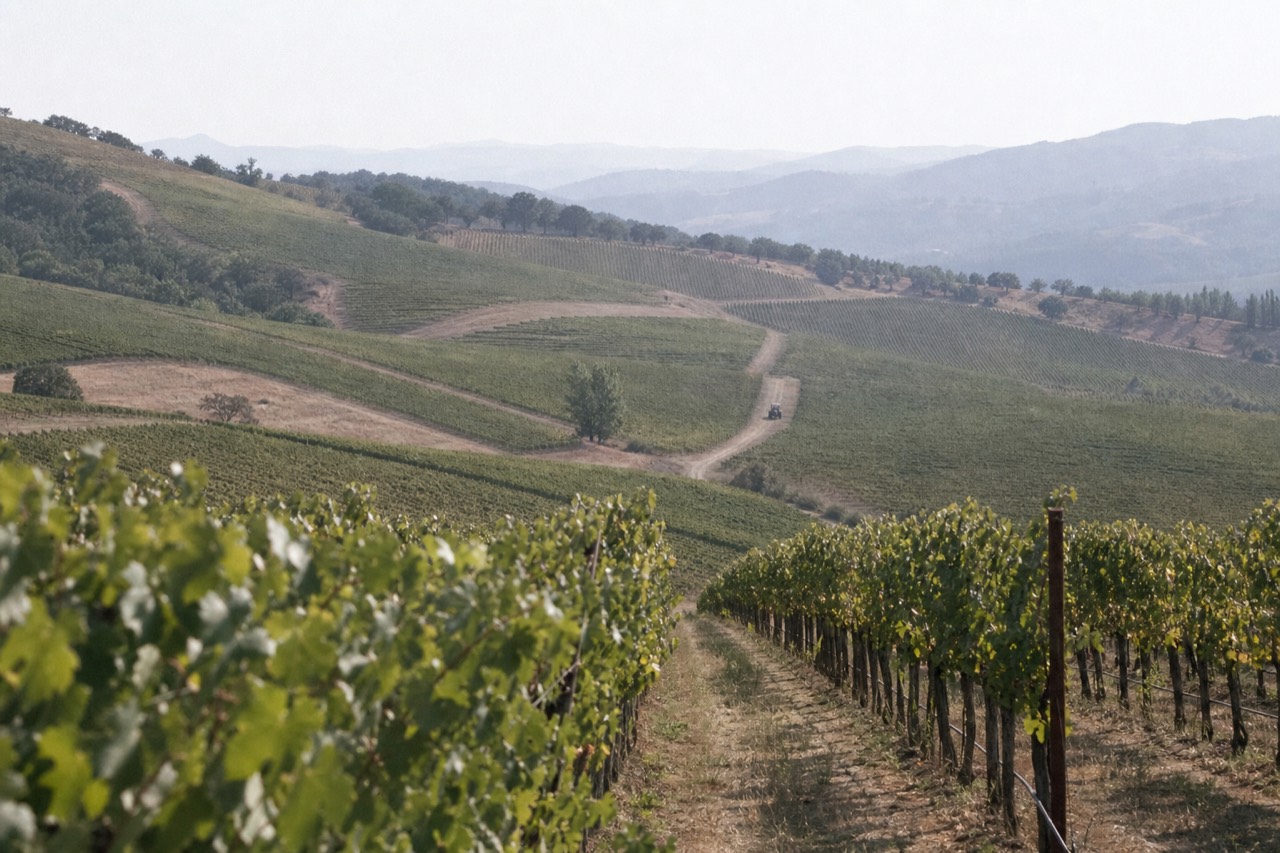
Is Valle de Guadalupe Worth It?
For most travelers coming from San Diego, yes: a guided day tour delivers three to four winery stops, an included meal, and a driver who handles the border, for roughly $34 to $323 per person. For cruise passengers on a short port call, and for anyone unwilling to carry a compliant passport document, the answer shifts to depends.
That is the short version. The longer version has to weigh the two hours of driving in each direction, a land border crossing, and a wine region that is smaller in scale than its "Mexico's Napa Valley" nickname suggests, against a day that a lot of visitors genuinely rate highly. The live tours here run from a $34-per-person shared day out of San Diego up to a $447-per-person private wine-and-coast combo out of Ensenada, so the question is less "is the valley worth it" and more "which version of the trip fits what you want to spend and how much hassle you will tolerate."
The honest framing matters here. This is not a region you stumble into. It sits roughly 75 miles, about two hours, south of San Diego near Ensenada, which means every trip involves an international border in both directions. That effort is the single biggest variable in whether the day feels worth it, and it is the thing most promotional content glosses over. This article weighs the real numbers, real guest feedback, and the different answers for a San Diego day-tripper, a cruise passenger, and someone already living in Tijuana or Rosarito.
If you want to see the range of guided options before reading further, these three San Diego departures cover the price and format spectrum:
What does a day in the valley actually cost?
A guided tour from San Diego runs from $34 per person on the low end to $323 per person on the high end, with the cheapest shared options at $34 to $129 per person and small-group or private options from $269 to $323 per person. Add tasting fees at some stops if they are not included, though most tours in the roster bundle tastings into the price.
The price floor is lower than most people expect. The All-Inclusive Valle de Guadalupe Premium Wine + Gourmet Food Tasting Tour, the related tour for this article, lists from $34 per person, ranging $34 to $129 depending on group size and options, for a 10-hour day with a gourmet food tasting and pickup included, rated 5.0 across 17 reviews. At the other end of the same departure city, the Grand Mexico Wine Country Tour runs from $323 per person, a small-group format with meals and tastings included, and the Luxury Private Wine Tasting Tour to Guadalupe Valley runs from $269 per person with lunch and a cheese platter, rated 5.0 across 182 reviews.
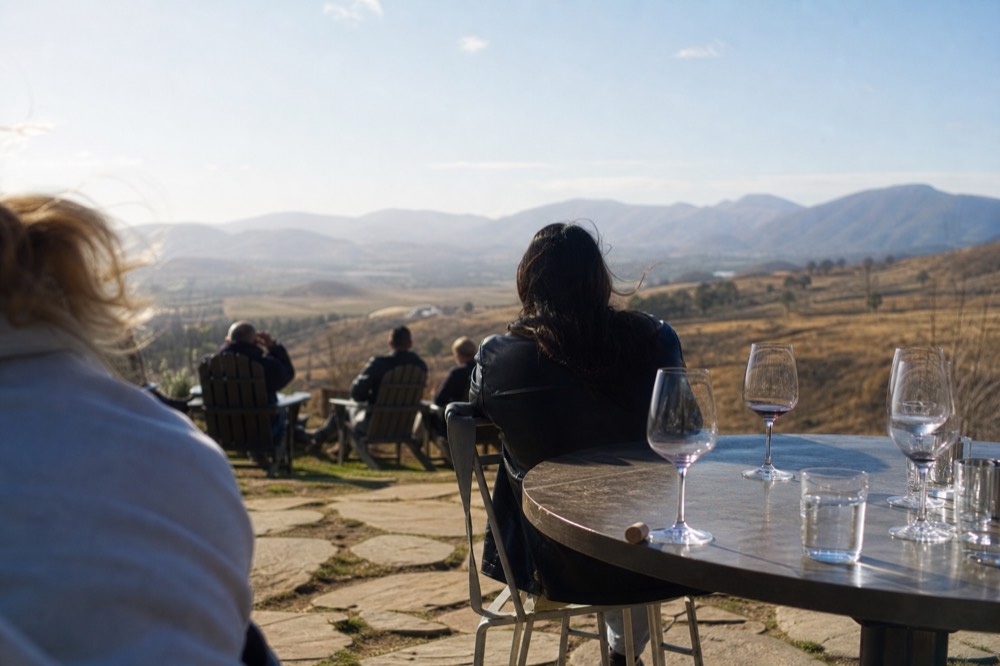
Here is how the roster's San Diego departures compare on the numbers that matter for value:
| Tour | Format | Price | Rating | Duration |
|---|---|---|---|---|
| All-Inclusive Premium Wine + Gourmet Food | Shared day tour | from $34 per person, $34-$129 by group/options | 5.0, 17 reviews | 10 hours |
| Luxury Private Wine Tasting Tour | Private | from $269 per person | 5.0, 182 reviews | 10 hours |
| Grand Mexico Wine Country Tour | Small group | from $323 per person | newer listing, 5.0 so far across a handful of reviews | 7-9 hours |
| Valle de Guadalupe Wine Tour (Wine and Dine) | Shared day tour | from $34 per person, $34-$126 by group/options | 4.9, 36 reviews | 8-10 hours |
The pattern worth noticing: the shared tours cluster at the bottom of the range and the private tours at the top, and the jump buys you flexibility and pace rather than better wine. Whether that premium is "worth it" depends almost entirely on whether you value a customized itinerary or a fixed-price day.
Thinking about booking the budget option? It is the lowest-cost full day on the roster:
How much hassle is the border crossing, really?
Every US-based visitor needs a valid passport book, passport card, or Trusted Traveler card such as SENTRI to re-enter the United States by land; a birth certificate plus photo ID is not sufficient, and that requirement has been in force since 2009.
This is the part of the trip that decides the "worth it" question for a surprising number of people, and it is where outdated assumptions cause real problems. Under the Western Hemisphere Travel Initiative, a US citizen crossing back from Mexico by land needs one of those compliant documents, and minors need their own. The US Embassy's guidance on driving to Mexico also recommends carrying a Mexican FMM tourist permit even for short border-zone day trips, though enforcement in the immediate border zone varies. Anyone who tells you a driver's license alone works for the return crossing is working from pre-2009 rules.
The other honest piece of context is the US State Department's travel advisory. The state of Baja California, which includes Tijuana, Ensenada, Rosarito and the valley itself, is listed at Level 3: Reconsider Travel, one level above Mexico's overall Level 2 rating, with crime and kidnapping cited as the reason. That is a real, current advisory and it should not be softened or omitted. The practical context, from the State Department's own framing and from how the region actually operates, is that the advisory is driven by violence in specific areas rather than the tourist corridors, and millions of Americans cross the border for day trips every year. Guided tours run insured vehicles with professional drivers on the main highways, which is precisely the pattern the advisory system treats differently from independent travel in affected zones.
There is also a legal reason nearly every tour in this roster includes its own transportation, and it is not just convenience. US auto insurance is not recognized for liability coverage in Mexico, and Mexican federal law requires a Mexican-issued liability policy for any vehicle driven there, per AAA's guidance on driving in Mexico. Combine that with Mexico's legal driving blood-alcohol limit of 0.05 g/dL, stricter than the US federal 0.08% standard, and the economics of a wine tour with a driver included start to look less like a luxury and more like the only sensible structure. Even one standard drink measurably impairs driving, per NHTSA, and a day of tasting means nobody in your group should be behind the wheel.
For a deeper look at the safety question specifically, our piece on whether Valle de Guadalupe is safe works through the advisory and the practical reality in more detail, and our guide to passport requirements for the trip covers the document rules line by line.
What does the day actually deliver?
A typical guided day delivers three to four winery stops with tastings, one included meal, and six to ten hours in the valley with a bilingual driver-guide. Guest reviews consistently name the guides and the food as the highlights, not just the wine.
The guest feedback is unusually specific about why people rate these days highly. Reviews for the Ansell private tour and bus tour out of Ensenada name their coordinator Patrick and drivers and guides Dale, Silvia, Diana, Jayri and Sabrina by name, which is the kind of detail that only shows up when a guest felt the day was genuinely run well. Reviews for the Rosarito Casa Frida tour name guides Adolfo and Fernando and driver Don Manuel; reviews for the Calandria couples tour name their guide Andrea. Across the roster, the through-line in the feedback is the guide relationship, not any single winery.
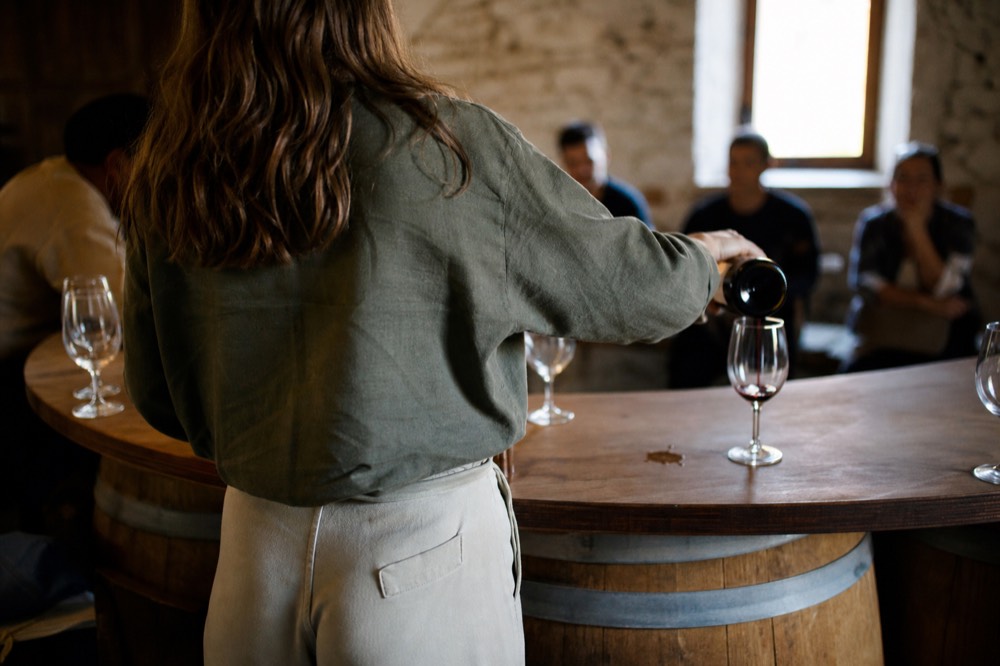
What the valley itself offers is a compact wine region with a food scene that punches above its size. The wineries confirmed as real, currently operating venues in this region include Cuatro Cuatros, L.A. Cetto Winery, Rondo del Valle, Baron Balche, Bodegas San Rafael in the Ojos Negros area, and Los Globos Cheese & Wine Shop. Beyond the fact that they exist, their tasting menus, hours and policies are not public information here, so treat that list as a starting point for your own planning rather than a ranking. If you want a proper winery-by-winery look, our guide to the best wineries in Valle de Guadalupe is the place to go.
The honest limitation: this is not Napa. The nickname gets used a lot, but the valley is smaller, scruffier in places, and built around a handful of roads with wineries, restaurants and small hotels rather than an endless sprawl of polished tasting rooms. Some visitors find that authenticity to be the entire point. Others arrive expecting Sonoma and leave disappointed. Knowing which of those two travelers you are does more to answer the worth-it question than any price comparison.
For cruise passengers, the calculus is different again. A shore excursion like the Wine Tasting Tour for Cruise Ship Visitors runs from $207.80 per person for 4 to 5 hours, a newer, cruise-exclusive listing, sized deliberately for a port call out of Ensenada. That is a lot of money per hour, but it is also the only realistic way to see wine country from a ship that docks at midday and leaves by evening.
Is Valle de Guadalupe worth it for your situation?
For a San Diego day-tripper, yes, at the shared-tour price point. For a cruise passenger, worth it only if wine is your priority for the port call. For a Tijuana or Rosarito local, absolutely, because the border friction disappears and the per-person cost drops.
The San Diego day-tripper is the traveler this region was practically built for. Two hours each way is a real commitment, but a tour like the Valle de Guadalupe Wine Tour, displayed as the San Diego Wine and Dine Day Trip, runs from $34 per person, $34 to $126 depending on group size and options, for 8 to 10 hours with lunch and pickup included, rated 4.9 across 36 reviews. At that price, the day is competing with a nice dinner out in San Diego, not with a vacation. The premium private options, like the Baja Tour Guide wine tour out of Tijuana from $169 per person, rated 5.0 across 62 reviews, buy customization and a dedicated vehicle, and are worth it mainly for groups of four or more splitting the cost.
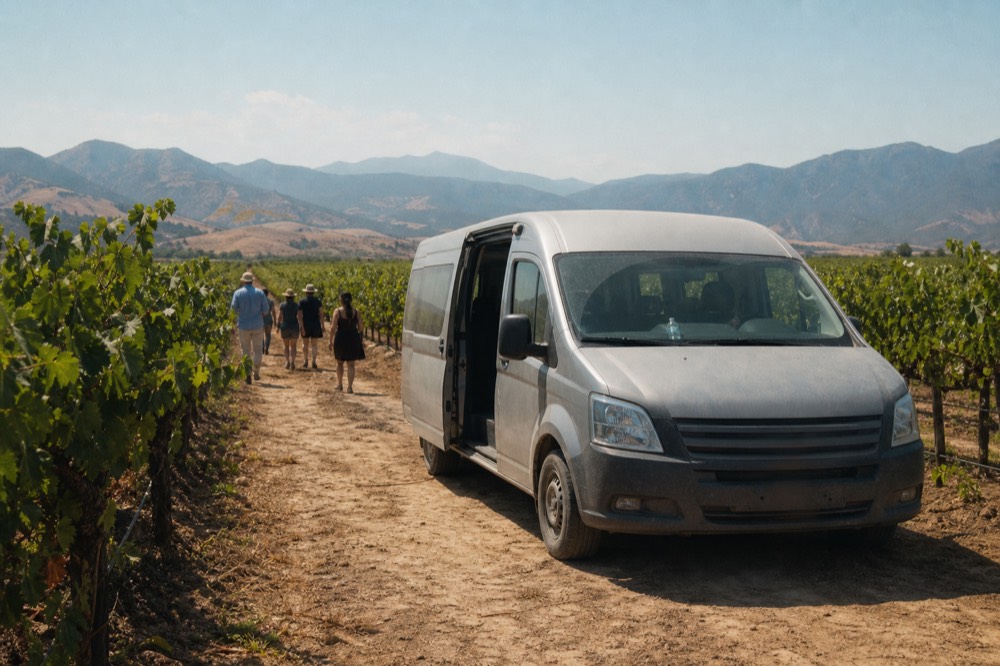
The cruise passenger should think harder. Ensenada port calls are short, the wine country sits inland from the port, and a 4-to-5-hour excursion eats most of a port day. If you have been to Ensenada before and wine is the draw, the cruise-exclusive tour described above is a reasonable use of the day. If it is your first call at the port, the coast options, including La Bufadora, may deliver more per hour.
The Tijuana or Rosarito local has the best deal of anyone. No border, no passport question, no two-hour drive from the north. The Rosarito-departing Wine tasting Valle de Guadalupe & Casa Frida tour runs from $140 per person for 8 hours, rated 4.5 across 36 reviews, with brunch included and a stop at the Casa Frida restaurant, and door-to-door pickup confirmed along the Rosarito coast. For anyone already in Baja, the valley is simply a good Saturday.
One more planning note that affects the verdict for everyone: timing. Harvest season and summer weekends bring crowds and higher hotel rates, while weekday visits trade some winery openings for quiet roads. Picking the right month matters, because the same tour can feel like two different trips in February versus August.
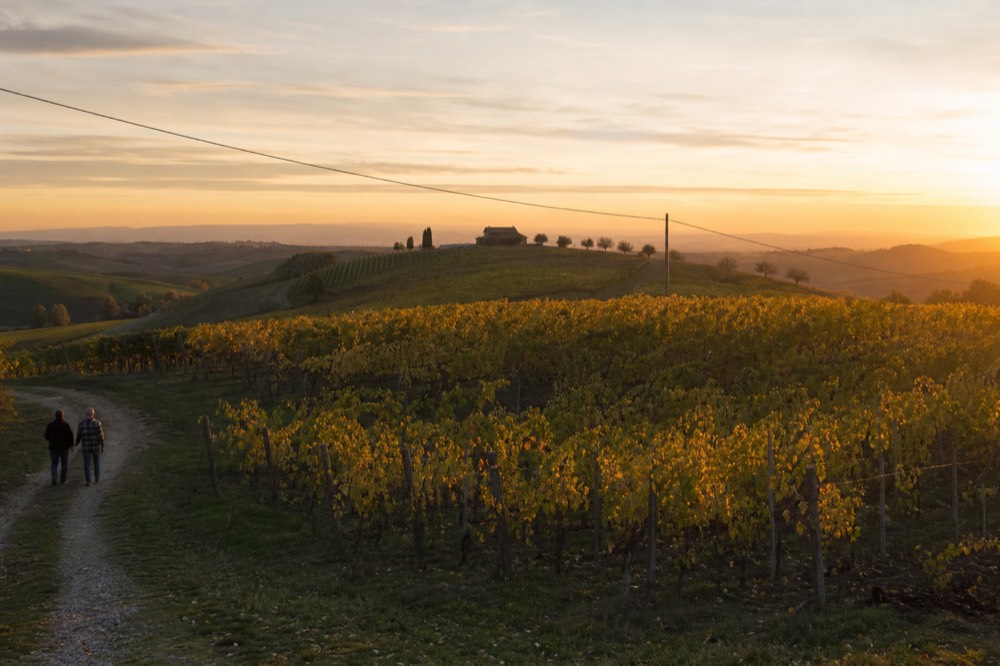
The bottom line from Valle de Guadalupe Wine Tours: the valley rewards travelers who accept the border as part of the adventure and punish those who treat it as an inconvenience. If the document requirements and the advisory context above sound manageable to you, and the price points in the table fit your budget, the day delivers well against what it costs. If any of it sounds like friction you would resent, the honest answer is that your money and time may be better spent closer to home.
If you are leaning yes, these three San Diego departures are the ones we would compare first:
The short answer is yes for San Diego day-trippers at the shared-tour price point, depends for cruise passengers and travelers without compliant passport documents, and an easy yes for anyone already living in Baja. The details behind each verdict are below.
Common questions about Valle de Guadalupe
Is Valle de Guadalupe Worth It?
For most San Diego day-trippers, yes: shared tours run from $34 per person with tastings and a meal included, and the guided format removes the border, insurance and driving concerns. For cruise passengers on short port calls and travelers without compliant passport documents, the answer is depends.
How far is Valle de Guadalupe from San Diego?
Roughly 75 miles, about two hours south of San Diego, near Ensenada. Every trip from the US side involves a land border crossing in both directions, so plan for crossing time on the return.
Do I need a passport to visit Valle de Guadalupe?
US citizens need a valid passport book, passport card, or Trusted Traveler card such as SENTRI to re-enter the US by land. A birth certificate plus photo ID is not sufficient under rules in force since 2009, and minors need their own compliant document.
What does a Valle de Guadalupe wine tour cost?
Guided tours from San Diego run from $34 per person on shared options up to $323 per person for small-group formats, with the private option at $269 per person. Tours from Tijuana, Rosarito and Ensenada add more range, from $140 to $515 depending on format. Most tours bundle tastings and at least one meal into the price.
Is it safe to drive yourself to Valle de Guadalupe?
US auto insurance is not recognized for liability coverage in Mexico, and Mexican law requires a Mexican-issued liability policy for any vehicle driven there. Mexico's legal blood-alcohol limit for driving is 0.05 g/dL, stricter than the US 0.08% standard, which is why nearly every tour in the region includes a driver.
Which wineries can you actually visit in Valle de Guadalupe?
Venues confirmed as real, operating sites include Cuatro Cuatros, L.A. Cetto Winery, Rondo del Valle, Baron Balche, Bodegas San Rafael and Los Globos Cheese & Wine Shop. Most guided tours select three to four stops per day, and the specific lineup varies by tour and season, so check the itinerary on the live listing before booking.