How Much to Tip at Wine Tastings?
A plain-English guide to wine tasting tipping etiquette: what to leave at the tasting-room bar, when the fee covers it, and how much to tip a private tour guide or driver in Valle de Guadalupe.
How Much to Tip at Wine Tastings?
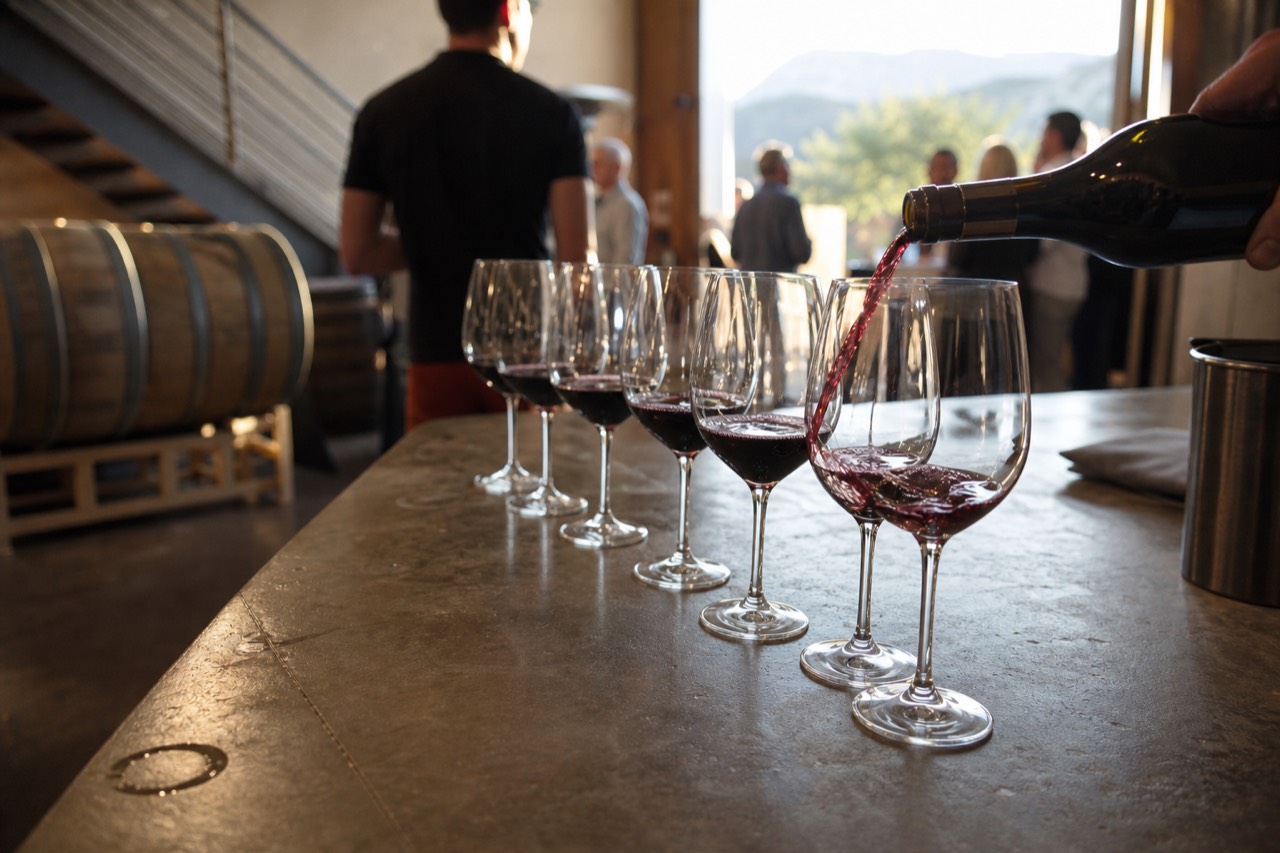
At a tasting-room bar in the United States, the widely published norm is 15 to 20 percent of the tasting fee, or a flat $5 to $10 per person for a complimentary tasting. In Mexico, tipping is more discretionary, but 10 to 20 percent of the fee is always appreciated. For a private tour guide and driver, the common guidance is roughly $20 to $40 per person for a full day.
The reason the question trips people up is that a "wine tasting" is not one kind of transaction. A pour at a walk-in tasting room, a seated paid tasting with a flight, and a full-day private tour through Valle de Guadalupe all involve someone serving you wine, but the economics behind each are different. The tasting-room host may be a winery employee splitting tips, or the fee may be waived with a bottle purchase. A private guide is with you for eight hours, driving mountain roads, and tipping them is closer to tipping a tour driver than a bartender.
This article walks through each situation with the norms that are widely published in US and Mexican hospitality guidance, then looks at how it plays out on real Valle de Guadalupe tours, where the tasting, the driving, and the guiding are often bundled into one price. If you are still deciding how to structure the day itself, our guide to wine tasting costs and what to expect breaks down the fees before the tip even enters the picture.
One rule of thumb survives every setting: if someone poured, drove, translated, or carried a cooler for you, and you are not sure whether they were tipped, they probably were not. Err on the side of handing something over.
Do You Tip on a Wine Tasting Fee or Is It Included?
No, a tasting fee is not a tip, and in most US tasting rooms the fee does not go to the person pouring for you; the widely published norm is to add 15 to 20 percent on top of the fee, or $5 to $10 per person for a complimentary tasting. Some wineries waive the fee when you buy bottles, and the polite move is still to tip the pourer on the original fee amount.
This is the single most common misunderstanding in wine-country etiquette. The fee buys the wine in the glass and the seat at the bar. The tip pays the host who opened the bottles, told you what you were drinking, and rinsed your glass between pours. In the US, tasting-room hosts are typically tipped employees, meaning a meaningful share of their income depends on that extra line on the receipt.
In Mexico the culture is looser but not absent. A 10 to 15 percent tip on a paid tasting is a generous, well-received gesture in Valle de Guadalupe, and some visitors simply leave the coins from a bottle purchase in the jar on the counter. Cash matters more than the exact percentage: many smaller Mexican tasting rooms handle card tips poorly or not at all.
The situation changes when a tasting is bundled into a tour price. On tours in our roster, such as the premium wine and gourmet food tour from San Diego, wine tastings are listed as included in the fare. When the operator has already collected the tasting money, the person you should be thinking about is not the pourer at the bar but the guide standing next to you, which is the next section's problem.
| Situation | Common norm | Notes |
|---|---|---|
| Paid tasting at a US tasting-room bar | 15-20% of the fee | Fee and tip are separate transactions |
| Complimentary US tasting | $5-10 per person | Tip even when buying bottles |
| Mexican tasting room, paid tasting | 10-15% of the fee, discretionary | Cash preferred, pesos or USD both accepted |
| Tasting bundled in a tour price | Tip the guide and driver instead | Tasting-room pourers may still merit a small cash tip |
| Winery club member visit | Same as any tasting | Membership discounts do not reduce the pourer's tip |
How Much Do You Tip a Private Wine Tour Guide and Driver?
For a full-day private wine tour, the widely published guidance is $20 to $40 per person for the guide-driver, or roughly 10 to 15 percent of the tour price for the whole group; on a shorter half-day tour, $10 to $20 per person is the common range. Hand it directly, in cash, at the end of the day.
In Valle de Guadalupe the guide and the driver are very often the same person, which simplifies the math. A private tour from Tijuana such as the Private Deluxe Wine Tour to Valle de Guadalupe by Luxury Vehicle runs from $209 per group, a newer listing at 5.0 so far across 14 reviews, with charcuterie included and private air-conditioned transportation confirmed. At that group price, the operator's fare covers the vehicle, the fuel, and the day's wages, but a tip is how you acknowledge that one person spent seven or eight hours driving, translating, booking the tasting rooms, and keeping the charcuterie cold.
The percentage framing helps when the tour is expensive. The luxury private tasting tour from San Diego runs from $269 per person for a 10-hour day, rated 5.0 across 182 reviews. Ten percent of a per-person fare that size lands squarely in the $20 to $40 per person band, which is why the two rules of thumb agree in practice.
There is also a safety logic hiding inside the tipping question. Mexico's legal blood alcohol limit for drivers is 0.05 g/dL, stricter than the US federal 0.08 standard, and even one standard drink measurably impairs driving. The entire structure of a wine tour with transportation included exists so that nobody in your group has to make a judgment call about being "fine to drive" after three tasting rooms. Tipping the driver well is, in a literal sense, paying for the service that kept everyone legal and safe on the road home.
Should You Tip Differently on a Small-Group or Shared Tour?
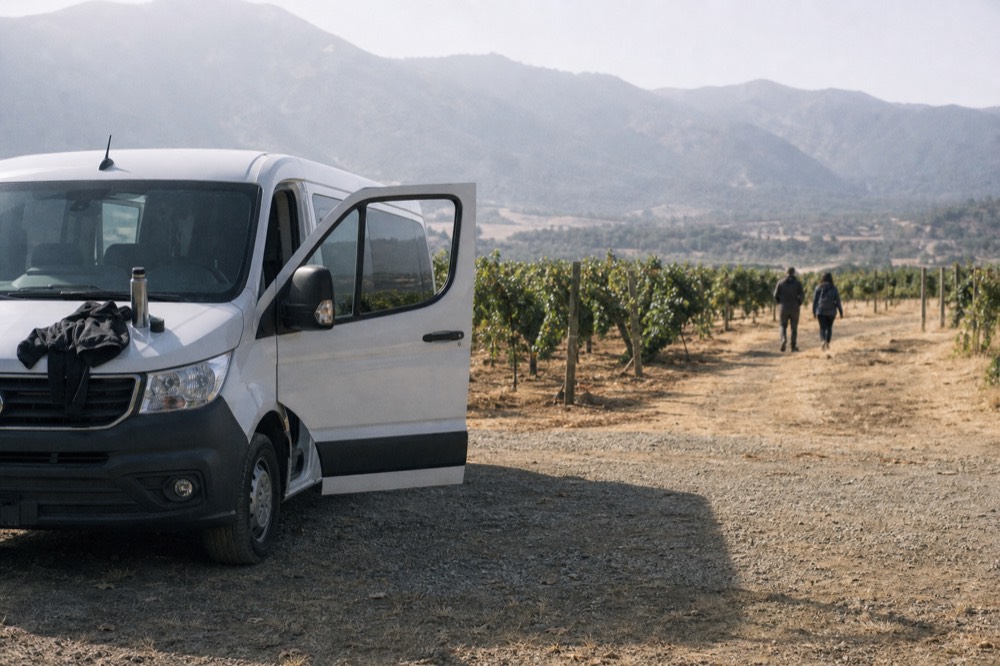
Yes, but the amounts shrink with the day: on a shared or small-group tour, $10 to $20 per person is the widely published norm, because the cost of the guide's day is split across more guests. On a private couples tour, treat it like a private tour and budget $20 to $30 per person. The guide's effort does not change with your group's size.
The distinction matters in Valle de Guadalupe because the same valley is served by both formats. The Casa Frida wine tasting tour from Rosarito is a shared experience for up to 28 guests, from $140 per person, rated 4.5 across 36 reviews, with brunch and door-to-door pickup confirmed. Twenty-eight guests each leaving $10 builds a fair day's tip without any single person carrying it. A private couples tour like the Calandria Experience offering, from $165 per group for two people over 6 hours, rated 4.6 across 22 reviews, concentrates the same guide's attention on two people, so the per-person tip should be closer to the private-tour band.
A practical way to think about it: the guide's day is worth roughly the same regardless of how many guests are in the vehicle. Your share of acknowledging it is your fraction of the vehicle.
Reviews from these tours give a sense of what the guide relationship looks like in practice. Guests on the Ansell private and bus tours have named their coordinator Patrick and drivers and guides Dale, Silvia, Diana, Jayri and Sabrina in reviews, and guests on the Rosarito Casa Frida tour have named guides Adolfo and Fernando and driver Don Manuel. When reviewers remember first names weeks later, the guide was a meaningful part of the day, which is exactly the situation tipping is meant to recognize.
What Is the 20-Minute Wine Rule?
The "20-minute rule" is a widely repeated piece of tasting-room pacing advice: wait about 15 to 20 minutes after finishing a glass before deciding whether you want more, because that is roughly how long it takes the alcohol to reach your bloodstream and for the sip's effect to register. It is common etiquette guidance, not a medical standard, and no credible source claims a precise origin for it.
The rule shows up constantly in wine-tourism advice columns, usually phrased exactly that way: give it twenty minutes before you judge the second glass, or before you order another pour. The honest framing is that it is folk wisdom with a real physiological kernel. Alcohol absorption varies with food, body size, and pace, so treat the number as a rhythm-setter rather than a stopwatch. Its practical value on a valley tour is pacing: five wineries in a day goes badly if each stop ends with two full glasses, and the rule gives you a polite, built-in reason to slow down.
Pacing and tipping connect more than you would expect. A guide who moves your group along at a sensible clip, schedules a real lunch, and gets you to the last winery while you can still taste the difference between the wines is doing skilled work. The 20-minute habit is the traveler's half of that same effort.
Should You Tip in Pesos or Dollars in Valle de Guadalupe?
Either works in Valle de Guadalupe, but small US bills and pesos are both more useful than a card tip: many tasting rooms and independent guides handle cash far more easily. The widely published guidance for Mexico travel generally is to tip in the local currency when you can, roughly 10 to 20 percent for guides and drivers, and to avoid handing over large USD bills that cannot be changed.
Valle de Guadalupe sits inside a tourist economy that has priced itself in both currencies for years, because the valley sits roughly 75 miles, about two hours, south of San Diego and most of its visitors cross from California for the day. Guides who run San Diego departures deal in dollars constantly. Smaller Mexican-operated tasting rooms deeper in the valley deal in pesos. The safe play is to carry both: singles and fives for the tasting-room jar, a folded stack for the guide at day's end.
One planning note that belongs here rather than repeated later: if you are crossing the border yourself, US citizens re-entering by land need a passport book, passport card, or Trusted Traveler card, and a birth certificate plus photo ID does not satisfy the rule. Our full write-up on passport requirements for Valle de Guadalupe covers the details, including the FMM tourist permit question.
Does a Complimentary Tasting Still Call for a Tip?
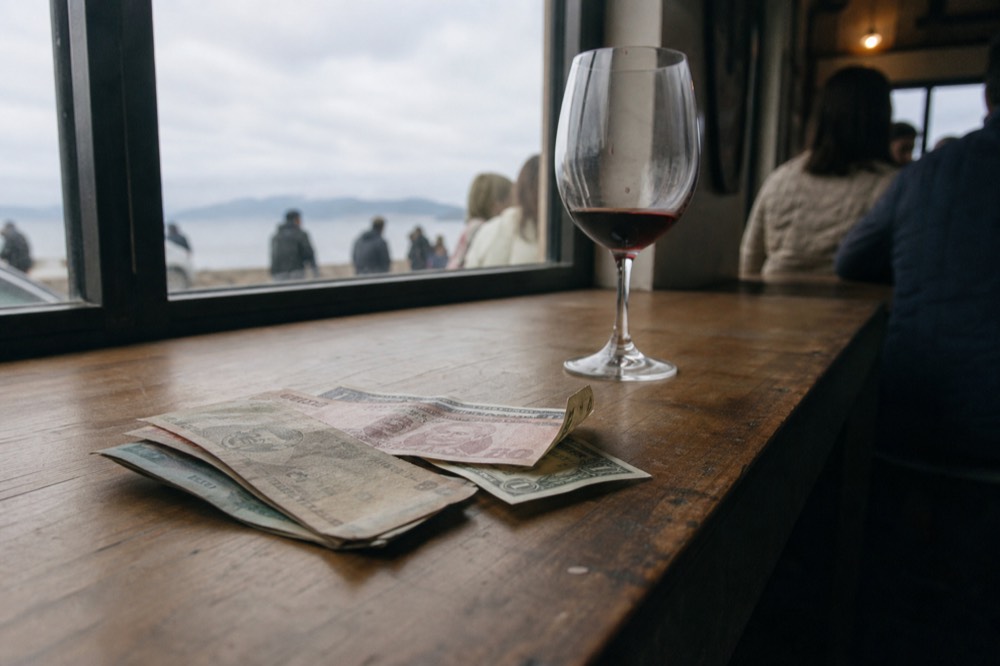
Yes. A free or waived tasting is the situation where a tip matters most, because the pourer served you with no fee attached; the widely published norm is $5 to $10 per person, and if the fee was waived because you bought bottles, tipping on the original fee amount is the considerate move.
Wineries waive tasting fees for good reasons: you bought a case, you are a club member, or the room is quiet and the host wants to be generous. None of those reasons put money in the host's pocket. The waiver came from the winery's pricing, not from the person who stood at the bar and poured. Guests sometimes feel the waived fee means the whole transaction was free, and it is worth being the person in the group who quietly leaves a bill anyway.
In Mexico the same logic applies with local shading. A complimentary pour in a small family tasting room in the valley is often genuine hospitality rather than a marketing tactic, and a cash tip is the cleanest way to acknowledge it without making it awkward. A simple "gracias" with the bill on the counter does the job.
How Do You Plan a Tipping Budget for the Whole Day?
Build the day's tipping budget from the two components already covered: $5 to $10 per person for small tasting-room tips along the way, and $20 to $40 per person for the guide and driver at the end, with the lower end for shared tours and the higher end for private ones. Carry it in cash before you leave, because valley ATMs are sparse and card tips are unreliable.
The budget-first approach removes the awkward math at the end of the day, when you are tired and the guide is standing by the van. Decide the number at home, put it in an envelope, and the day's last interaction becomes a handshake instead of a calculation. For a couple on a private tour, that usually means one envelope covering both of you, sized from the same two components.
If you are still choosing the tour itself, the format drives the tip budget more than the price does. A shared tour splits the guide's day across a full van; a private tour concentrates it on your group. Our comparison of wine tours from Tijuana and Rosarito lays out which operators run which format, and the same per-person logic applies whichever you pick.
Whatever the format, the guide is the person who spent the day with you, and Valle de Guadalupe Wine Tours exists because that day is worth getting right, from the first pour to the last handshake.
Between the tasting-room jar, the waived-fee moments, and the envelope for the guide, the money side of a valley day is simple once it is planned in advance. The tours below cover the three formats this article has discussed, private, shared, and couples, so the tipping math for each is already laid out above.
The short version: tip 15 to 20 percent of the fee at a US tasting-room bar, $5 to $10 per person for a complimentary tasting, 10 to 15 percent in Mexican tasting rooms, and $20 to $40 per person for a full-day private guide and driver. The questions below cover each situation in detail.
Common questions about tipping at wine tastings
How Much to Tip at Wine Tastings?
At a tasting-room bar, the widely published norm is 15 to 20 percent of the tasting fee, or $5 to $10 per person if the tasting was complimentary. In Mexico, 10 to 15 percent of the fee is a generous, discretionary gesture. For a private tour guide and driver, budget $20 to $40 per person for a full day.
Do you tip on a wine tasting fee or is it included?
The fee is not a tip. In most US tasting rooms the fee does not go to the pourer, so add 15 to 20 percent on top, or $5 to $10 per person for a free tasting. When a tour has already bundled the tastings into its price, tip the guide and driver instead.
How much do you tip a private wine tour guide and driver?
The common guidance is $20 to $40 per person for a full-day private tour, or roughly 10 to 15 percent of the tour price for the group, handed in cash at the end of the day. On shorter tours, $10 to $20 per person is the usual range.
What is the 20-minute wine rule?
It is widely repeated tasting-room pacing advice: wait about 15 to 20 minutes after a glass before deciding on more, since that is roughly how long alcohol takes to register. It is common etiquette guidance, not a medical standard, and no credible source claims a precise origin for it.
Should you tip in pesos or dollars in Valle de Guadalupe?
Both are accepted, but cash in either currency beats a card tip, since many valley tasting rooms and independent guides handle cards poorly. Local currency is the polite first choice, and small US bills work fine in this border-adjacent tourist economy.
Does a complimentary tasting still call for a tip?
Yes. A waived fee benefits the winery's pricing, not the person who poured, and free tastings are exactly when a tip matters most. The norm is $5 to $10 per person, and if the fee was waived because you bought bottles, tipping on the original fee amount is the considerate move.