What Kind of Wine Is Valle de Guadalupe Known For?
Valle de Guadalupe is Mexico's leading fine-wine region, known for warm-climate reds, rosés, and food-first tasting culture. Here is what the valley actually pours, and which tours pair it with cheese, charcuterie, and gourmet plates.
What Kind of Wine Is Valle de Guadalupe Known For?
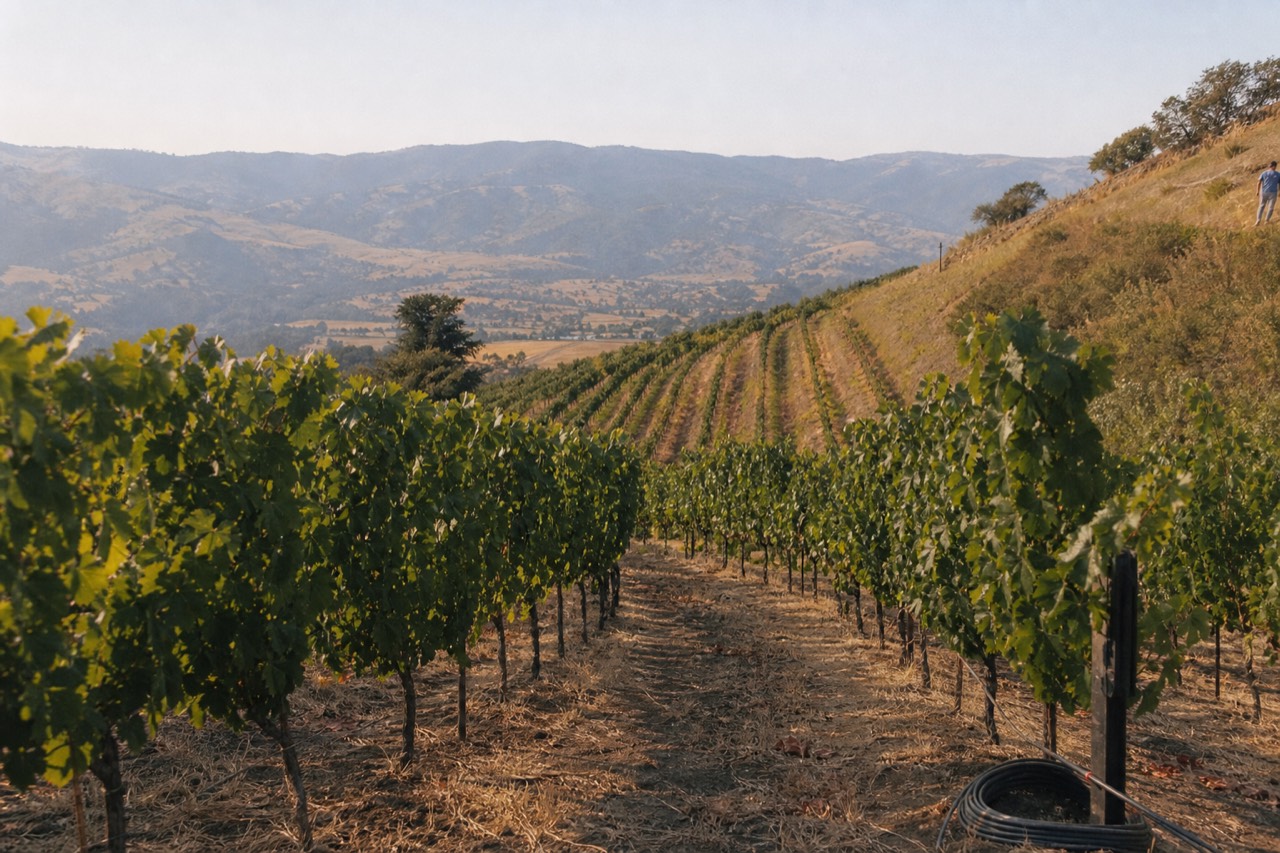
Valle de Guadalupe sits roughly 75 miles south of San Diego, close to Ensenada on the Baja California peninsula, and it has earned the nickname "Mexico's Napa Valley." That comparison gets thrown around loosely, but here it has real substance: this is widely treated as Mexico's leading fine-wine area, the place where the country's restaurant scene and its wine scene meet on the same plate. The question of what is actually in the glass, and what the region is genuinely known for, deserves a straight answer rather than a brochure's worth of adjectives.
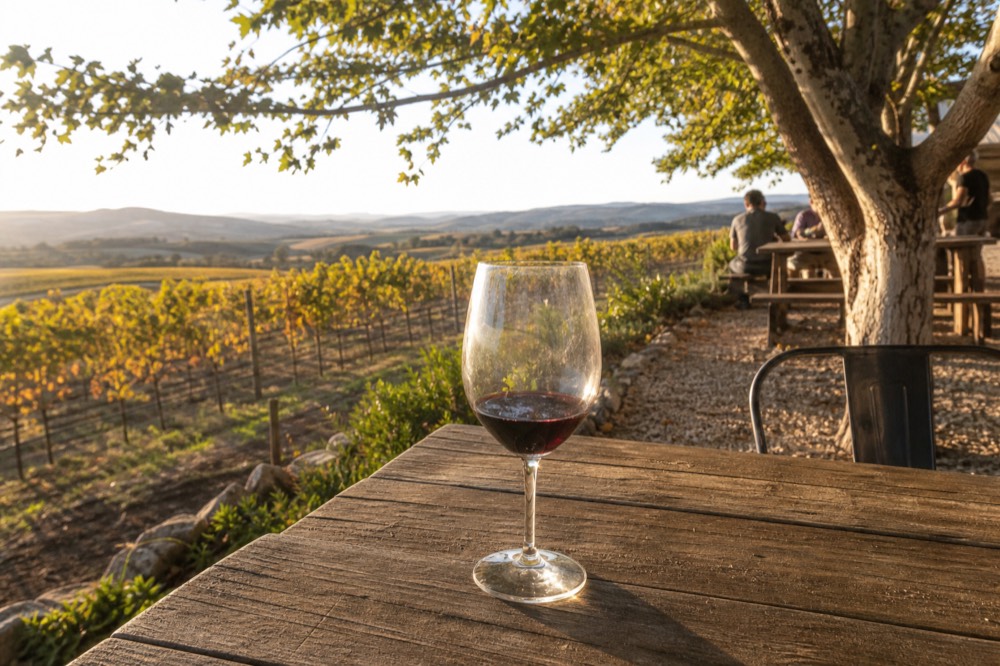
The region is known for warm-climate reds, especially bold, food-friendly styles, along with dry rosés that suit the valley's heat, and a tasting culture that treats wine and food as one experience rather than two separate stops. It is also known for small-scale production and a rustic, hospitality-first way of pouring it. This is not a region famous for one signature grape the way Burgundy owns Pinot Noir. Its reputation is broader: a young, energetic fine-wine area that has become the reference point for Mexican wine in general, and the reason sommeliers and food writers pay attention to Baja California at all.
That reputation has been built in restaurants as much as in tasting rooms. The valley sits at the center of Baja Med cuisine, the coastal-inland cooking style that made Ensenada and the surrounding valley a food destination in their own right. Wine here is rarely sold as a stand-alone product. It arrives next to cheese, charcuterie, grilled vegetables, and long lunches, which is why so many of the valley's tours are built around pairings rather than pours alone.
To keep the honest framing straight, the table below separates what the region is genuinely known for from what it is not.
| What the region is known for | What it is not known for |
|---|---|
| Warm-climate reds built for food | A single signature grape variety |
| Dry, food-friendly rosés | Mass-market bulk wine |
| Small-lot, artisan-scale producers | Industrial-volume production |
| Wine-and-food pairing culture | Stand-alone formal tastings |
| Rustic, modern-rustic tasting rooms | Old-world chateau formality |
The valley's standing as Mexico's leading fine-wine area is a matter of reputation and consensus, not a number: no reliable source publishes hectare counts or grape percentages precise enough to print.
If you want to taste what the region is known for rather than read about it, these three tours each frame the valley's wine through food, which is the local way:
Why do the valley's high-desert growing conditions matter?
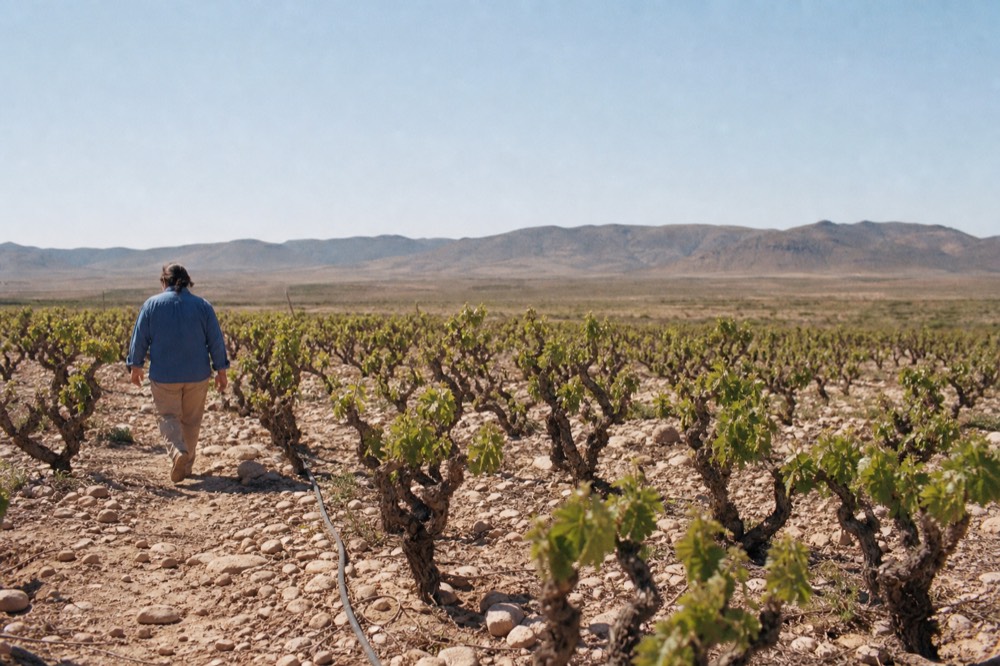
The valley's growing conditions combine Mediterranean-like warmth with cool Pacific influences, coastal fog, poor soils, and big day-to-night temperature swings, a combination that pushes vines to concentrate flavor while retaining acidity, which is the technical heart of the region's reputation. The valley is not far from the coast as the crow flies, and maritime air moves through its corridors in the afternoons and evenings. Days are hot, nights are cool, and that swing is what allows a warm-climate region to make wines with structure rather than just ripeness.
Altitude and soil do quiet work here as well. The valley floor and its surrounding hills are dry, with limited rainfall concentrated in winter months, so vines work hard for water and the resulting fruit comes in smaller and more concentrated. Irrigation, historically drawn from wells, is part of how viticulture survives in this high-desert environment. The honest summary is that this is a marginal, demanding place to grow grapes, and marginal places are very often where interesting wine comes from.
For a visitor, the practical meaning of these conditions is simple: the wines tend toward generous fruit, and the best of them keep enough freshness to sit comfortably beside food. That is exactly the profile the valley's restaurant culture rewards. If you are deciding how to experience it, the pairing-focused tours below are the most direct route:
The high-desert character also explains the pace of a valley visit. Tastings here are long, shaded, and unhurried because the middle of the day is genuinely hot for much of the year. Tours are structured around that rhythm, with food woven between pours, which is one reason the region feels less like a tasting sprint and more like a moving lunch.
What do the tours actually pour and pair?
The valley's tours pour the region's wines alongside cheese, charcuterie, and full gourmet plates, and the specific pairings on real listings include a wine-and-cheese tasting in Ojos Negros Valley, a charcuterie-paired private tasting from Tijuana, and a gourmet food-and-wine tasting from San Diego. These are not generic claims. They are what the actual tour listings in the region sell, and they are a fair reflection of how the valley presents itself: wine as part of a meal.
The Private Deluxe Wine Tour to Valle de Guadalupe by Luxury Vehicle, operated by Baja Sherpa Expeditions, departs Tijuana and includes a charcuterie pairing with its tastings, running from $209 per group over 7 to 8 hours. It is a newer listing, 5.0 so far across 14 reviews, with private air-conditioned transportation confirmed. Charcuterie and wine is a pairing style the valley has effectively made its own, and a private format lets a group set its own pace through it.
The Ojos Negros Valley Cheese & Wine Tasting Tour takes the dairy-and-wine idea one valley over, departing Ensenada for 6 hours from $150 per person, with a private option available and pickup included. It is a new listing, rated 5.0 so far across just 2 reviews. Free cancellation is confirmed for this one, which makes it a lower-commitment way to sample the region's pairing culture.
On the San Diego side of the border, the All-Inclusive Valle de Guadalupe Mexico Premium Wine + Gourmet Food Tasting Tour leans fully into the food half of the equation, with a gourmet food tasting included alongside its wines, rated 5.0 across 17 reviews and priced from $34 per person, with a $34 to $129 range depending on group size and options. The common thread across all three is that none of them sells wine alone. The valley's own format is the table.
Which wineries can you actually visit in the valley?
A tasting trip can realistically include Cuatro Cuatros, L.A. Cetto Winery, Rondo del Valle, Baron Balche, Bodegas San Rafael in Ojos Negros, and Los Globos Cheese & Wine Shop, six venues confirmed to exist as real, bookable locations in and around the valley. That is the honest ceiling of what can be said about them: they are real places with real presence on tour routes. Their hours, tasting menus, reservation policies, varietals and history are not published anywhere reliable, so a responsible article will not invent any of that color. The right move is to treat them as real stops to research or ask a tour operator about, not as characters in a story.
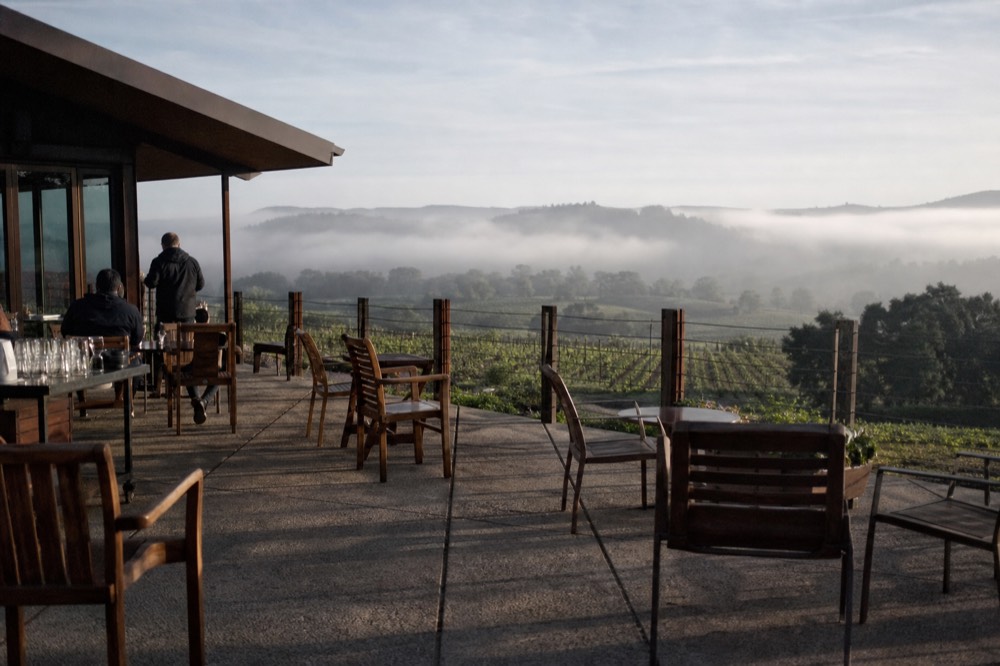
This is where a guided tour earns its keep. Operators who run the valley week after week know which venues are open, which take walk-ins, and which need reservations, information that changes often enough that a static article would go stale the moment it was written. A private guide can also sequence a day so that a big-production stop sits next to a small family producer, which is the fastest way to understand the range of what the region makes.
For a deeper look at the venues themselves, the best wineries in Valle de Guadalupe guide covers the region's producers in more detail, and the Valle de Guadalupe tasting cost guide breaks down what a day of tasting fees and pairings typically runs.
Is Valle de Guadalupe really Mexico's Napa Valley?
The nickname is half fair: the valley is genuinely Mexico's leading fine-wine region and its most wine-and-food-integrated destination, but it is younger, smaller-feeling, and far more rustic than Napa, with dirt roads, open-air tasting rooms, and a frontier energy Napa lost decades ago. The comparison works as shorthand for quality and ambition. It fails as a description of the experience. Napa is polished, expensive, and appointment-driven. Valle de Guadalupe is loose, generous, and built around long meals.
That difference is the region's selling point. Visitors who arrive expecting Napa's infrastructure sometimes leave frustrated by the valley's sparse signage, uneven roads, and cash-first habits. Visitors who arrive expecting a young wine region with excellent food and no ceremony tend to leave planning a return trip. The wine itself sits somewhere in the same place: serious in intent, uneven in execution, and improving quickly, which is exactly what you would expect from a fine-wine area still in its growth phase.
The what makes Mexico's Napa Valley different guide unpacks the comparison in full for anyone weighing the two regions against each other.
How much does a wine-focused tour of the valley cost?
Tour pricing in the region runs from about $34 per person on shared, food-inclusive day trips from San Diego up to $165 to $275 per group for private, pairing-focused tours from Ensenada, with the charcuterie-paired private tour from Tijuana at $209 per group. The spread is wide because the formats are genuinely different: shared tours subsidize cost across a bus, while private tours buy flexibility, a dedicated guide, and a schedule built around your group.
The Couples Wine Tour by Calandria Experience shows the private end of that range clearly: from $165 per group for up to 2 people, 6 hours, rated 4.6 across 22 reviews, departing Ensenada. For two people, that works out comparably to a mid-priced shared tour per person, with none of the compromise on itinerary. Check the cancellation policy on the listing, as free cancellation is not confirmed for this one.
At the value end, the San Diego-departing day trips that start at $34 per person still include tastings and lunch, which tells you something about how the region prices itself: the wine is the draw, the food is the format, and the overall cost of a valley day is lower than an equivalent day in Napa almost across the board.
Should you book a tour or explore the valley on your own?
A guided tour is the practical choice for most visitors because the valley's wineries are spread out along unmarked rural roads, tasting without driving matters legally, and tours arrive with transportation, insurance, and local sequencing already solved, so the only real reason to self-drive is a stubborn preference for total schedule control. Mexico's legal blood alcohol limit for driving is 0.05 g/dL, stricter than the US federal 0.08% standard, and even one standard drink measurably impairs driving. US auto insurance is also not recognized for liability coverage in Mexico, so a self-drive day means renting a car and buying a Mexican-issued liability policy on top of it. A tour makes both problems disappear in one purchase.
The logistics argument is just as strong. The valley's venues do not sit on one walkable strip; they scatter across kilometers of back roads where a wrong turn costs half an hour. Operators running daily routes know the sequencing, the reservations, and the kitchens, and their listings advertise exactly that: transportation included, insured drivers, and door-to-door pickup in the coastal towns. For anyone starting from Tijuana or Rosarito rather than San Diego, the private-format tours are especially efficient since the drive into the valley is shortest from there.
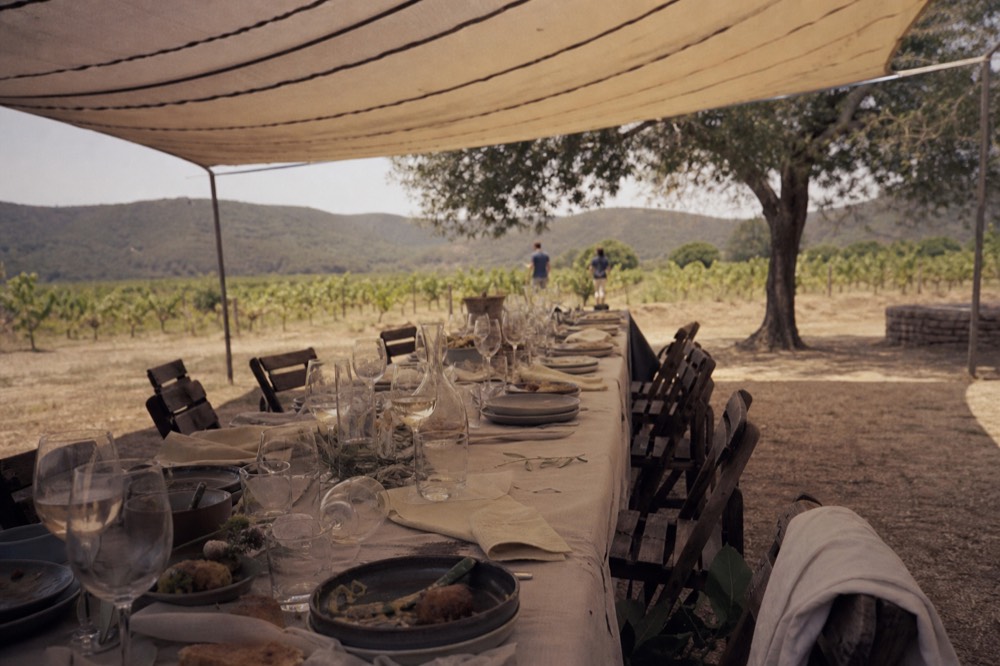
For travelers who want the region's signature experience in one booking, the charcuterie-paired private tour from Tijuana is the most direct expression of what the valley is known for, and Valle de Guadalupe Wine Tours covers the full range of departure cities and formats for comparing options.
If you are weighing formats, these three pairing-focused tours cover the private, the cheese-focused, and the couples-oriented versions of the same valley:
The valley is known for warm-climate reds, dry rosés, and a pairing-first tasting culture where wine arrives with cheese, charcuterie, or full plates, and it holds its standing as Mexico's leading fine-wine region by reputation rather than by any single signature grape or verified production statistic. The questions below cover the specifics travelers ask most often.
Common questions about Valle de Guadalupe wine
What Kind of Wine Is Valle de Guadalupe Known For?
Warm-climate reds built for food, dry rosés suited to the valley's heat, and a pairing-first tasting culture where wine arrives with cheese, charcuterie, or full plates. The region is Mexico's leading fine-wine area by reputation rather than by a single signature grape.
Is Valle de Guadalupe wine actually good?
By reputation, yes: the region is treated as Mexico's leading fine-wine area and the center of its wine-and-food culture. It is a young region, so quality varies more than in established areas, but its best wines and its pairing culture are what put it on the map.
What grape is the valley's signature?
None, honestly. Unlike Burgundy with Pinot Noir, the region is not defined by one variety. Its identity is warm-climate reds, dry rosés, and small-lot production styles, and any specific grape-percentage claims should be treated with caution since no reliable source publishes them for the region.
Do the tours include food with the wine?
Most do, and that is the local format. Confirmed listings include a charcuterie pairing on the private deluxe tour from Tijuana, a cheese-and-wine tasting on the Ojos Negros tour from Ensenada, and a gourmet food tasting on the all-inclusive tour from San Diego.
Can you visit the wineries without a tour?
You can, but you would need a car, a Mexican-issued liability insurance policy, and a designated driver, since Mexico's legal blood alcohol limit is 0.05 g/dL and the venues are spread along unmarked rural roads. Tours bundle transportation, insurance, and sequencing into one booking.
How far is the valley from San Diego?
Roughly 75 miles, about a 2-hour drive south, near Ensenada, which is why single-day wine tours from San Diego are a normal and popular way to visit.