Mexico's Napa Valley: What Makes Valle de Guadalupe Different
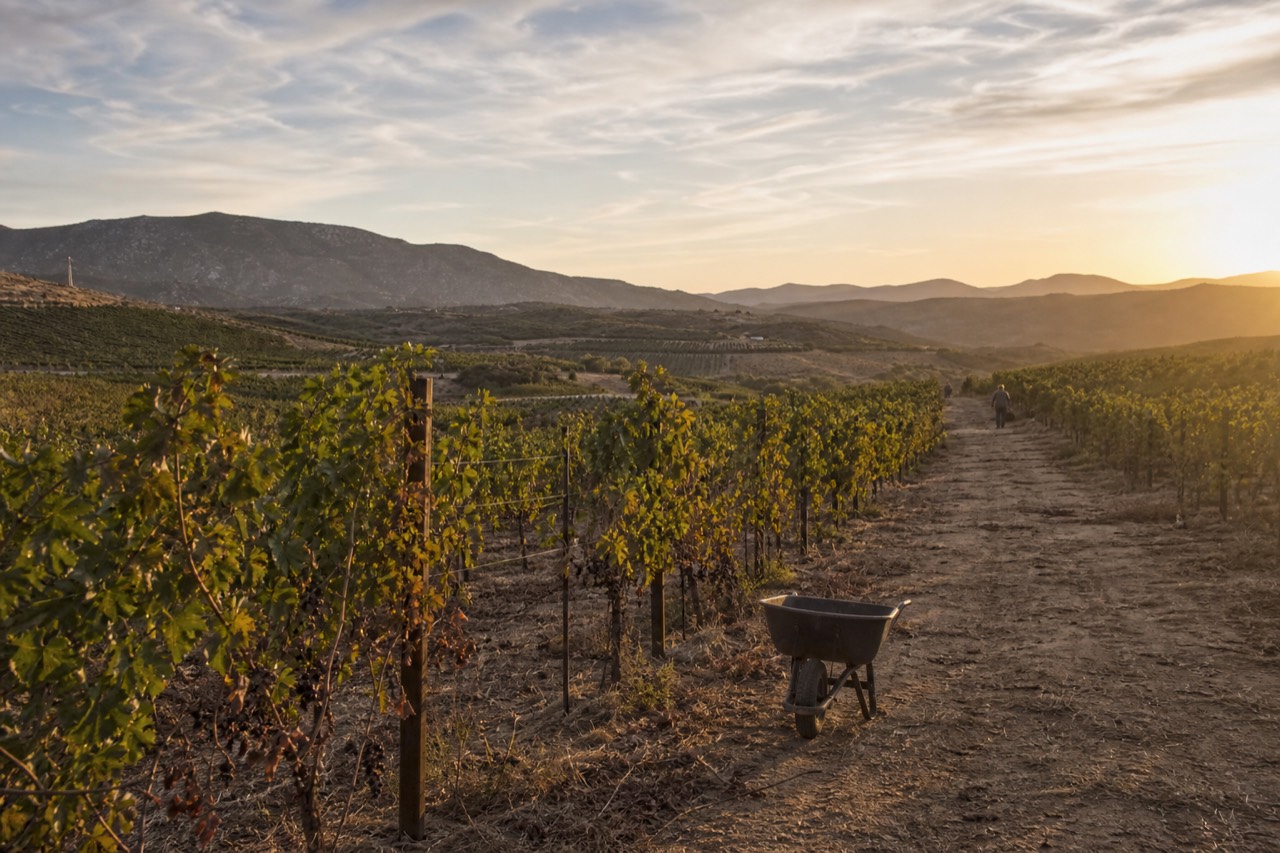
Valle de Guadalupe, roughly 75 miles and about two hours south of San Diego near Ensenada, is the wine region people mean when they search for the Mexican version of Napa Valley. The nickname is honest about the wine and silent about the border, and the border is where the two trips genuinely diverge.
Short answer
Valle de Guadalupe is the Mexican wine region most often called Mexico's Napa Valley, sitting roughly 75 miles south of San Diego near Ensenada. Guided day tours run from $34 to $515 depending on format. The real differences are a land border crossing, a passport requirement, Mexican auto insurance law, and a 0.05 BAC driving limit.
Mexico's Napa Valley: What Makes Valle de Guadalupe Different
Valle de Guadalupe, roughly 75 miles and about two hours south of San Diego near Ensenada, is the region people mean when they ask what the Mexican version of Napa Valley is. The comparison is real and widely used, but it only holds up to a point. The wine infrastructure is genuine. The border, the documents, the insurance rules and the price arithmetic are where the two trips part ways, and this guide walks through all of it honestly.
What is the Mexican version of Napa Valley?
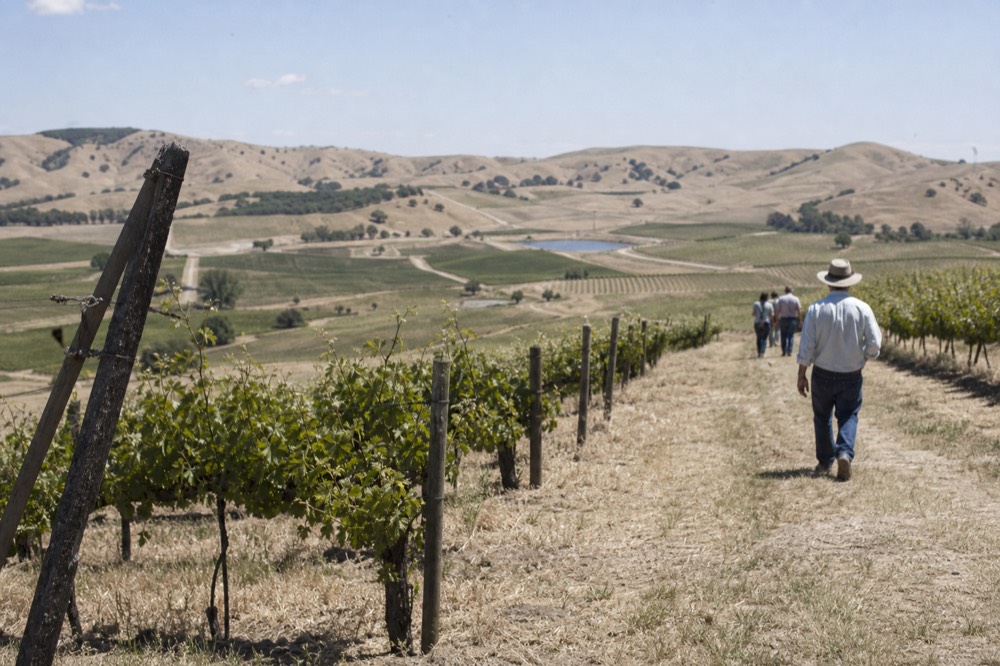
The Mexican version of Napa Valley is Valle de Guadalupe, a wine region in Baja California about two hours south of San Diego, near the port city of Ensenada. It is Mexico's most visited wine country and the region most often given the nickname, in traveler reviews, tour listings and press coverage alike.
The nickname is not just a marketing line invented by tour sellers. It is real searcher language: "what is the Mexican version of Napa Valley" is itself a high-volume question people type into search engines, which tells you the comparison is already living in travelers' heads before any operator reaches them. When a nickname has become the question rather than the answer, it has graduated from promotion to common knowledge.
That said, the comparison deserves precision. Napa Valley is a compact, heavily developed American wine region with a century-plus of institutional history, dense tasting-room infrastructure and domestic visitors who never cross a border to reach it. Valle de Guadalupe is a younger, sparser, faster-changing region whose visitors, especially the American ones, arrive through an international land crossing. Both make wine worth traveling for. Only one of them requires a passport.
This guide covers seven honest angles of comparison: why the nickname exists, the border reality, the price contrast, the terrain and climate, the tour format, the real venue infrastructure, and who should actually choose which trip. If you want the short version of how a day trip here works logistically, our wine tours from San Diego guide covers the departure side in detail.
How do the two regions actually compare side by side?
On wine, both regions are legitimate destinations. On logistics, they are different worlds: Napa requires no documents, no currency exchange and no international border, while Valle de Guadalupe requires all three plus a stricter drunk-driving law. On price, a full guided day in Valle de Guadalupe typically undercuts a comparable Napa experience for most US travelers.
The honest framing is that the nickname describes the wine and the scenery, and stops there. A Napa day trip is a domestic drive. A Valle de Guadalupe day trip from San Diego is an international border crossing each way, with document checks, a different currency at the tasting rooms, and Mexican law governing your drive back. None of that is a reason to skip it, but it is a reason to plan differently, and it is why nearly every tour in the region sells transportation bundled into the price.
For travelers weighing the two, the comparison usually comes down to three practical questions. Do you have the documents to cross back into the US? Do you want to drive yourself after tasting, or not? And what is your actual budget for the day? The table below sets the two regions against each other on the points that matter for a day trip.
| Comparison point | Napa Valley day trip | Valle de Guadalupe day trip |
|---|---|---|
| Travel from San Diego | Domestic drive, no documents | International crossing, roughly 75 miles / about 2 hours south |
| Re-entry documents for US citizens | Not applicable | Passport book, passport card or Trusted Traveler card required |
| Currency | US dollars | Mexican pesos, though many tours quote in USD |
| Legal driving BAC limit | 0.08 in most US states | 0.05 g/dL federally in Mexico, stricter in some states |
| Auto insurance | US policy valid | Mexican-issued liability policy legally required |
| Typical guided day tour price | Varies widely, often higher | From $34 to $515 per person or group depending on format |
If that table makes the Mexican option sound complicated, remember the flip side: the complications are exactly what the tour operators have industrialized. A booked tour converts the border, the insurance and the driving into someone else's job. The selection below shows three contrasting ways to spend the day, from a small-group San Diego departure to a cheese-and-wine pairing tour out of Ensenada.
The Grand Mexico Wine Country Tour is the small-group option that departs San Diego and runs 7 to 9 hours, from $323 per person, with meals and wine tastings included and round-trip transportation handled. It is a newer listing, 5.0 so far across a handful of reviews, so check the current review count before booking. Alongside it, the luxury private option from the same departure city and the Ensenada cheese-and-wine pairing tour show how wide the format and price range really is.
What border crossing does a Napa trip never have?
A Valle de Guadalupe trip from the US requires a Western Hemisphere Travel Initiative document to re-enter the country: a valid US passport book, passport card, or Trusted Traveler card such as SENTRI. A birth certificate plus photo ID is not sufficient, and that rule has been in force since 2009. Minors need their own compliant document.
This is the single biggest structural difference between the two wine regions, and it deserves full depth because it is the natural home for the comparison. Napa Valley never asks you for paperwork. Valle de Guadalupe asks twice: once entering Mexico and once re-entering the United States, and the re-entry side is where outdated assumptions bite travelers.
The rule comes from the Western Hemisphere Travel Initiative, administered by US Customs and Border Protection. Under WHTI, a US citizen crossing the land border back from Mexico needs a passport book, a passport card, an Enhanced Driver's License where available, or a Trusted Traveler card such as SENTRI. The old fallback of a birth certificate plus a government photo ID stopped being sufficient years ago, and no short-trip exception exists. Minors traveling need their own compliant document, not a spot on a parent's paperwork.
There is also a Mexican-side wrinkle. A Mexican FMM tourist permit may formally be required even for short border-zone day trips, and official guidance recommends carrying one even though enforcement in the immediate border zone varies. The US Embassy in Mexico's driving guidance is the primary source for this. In practice, many day-trip visitors cross without issue, but "many people do it" is not the same as "it is officially fine," and an honest guide should say so plainly.
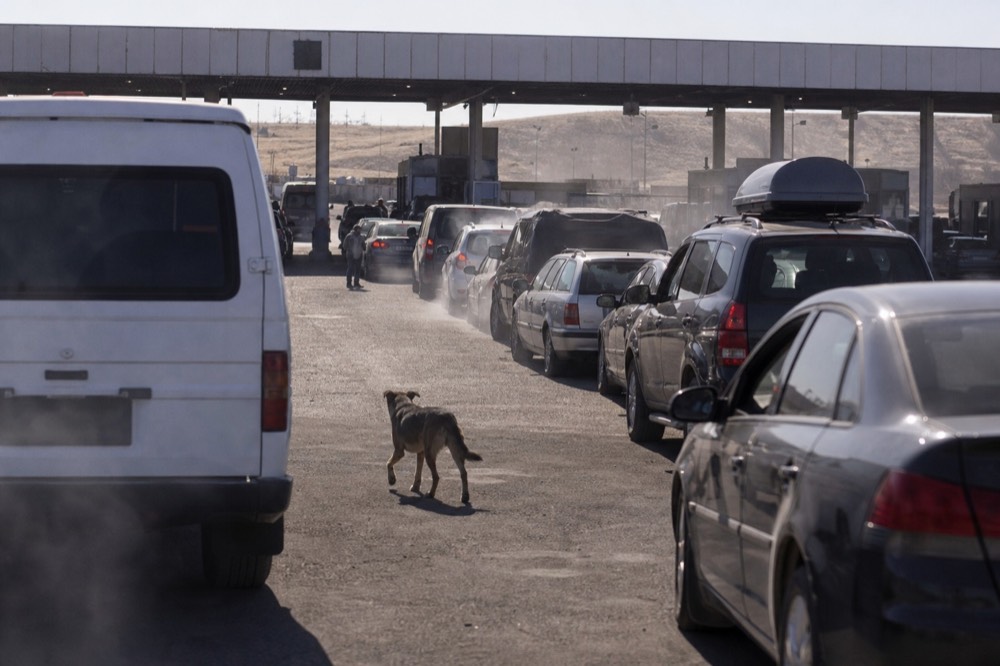
The distance itself is manageable. The valley sits roughly 75 miles, about two hours, south of San Diego, which puts it closer to downtown San Diego than many Californians assume. The crossing, not the mileage, is the variable: wait times at the border fluctuate by hour and day, and a tour operator who runs the route daily builds that buffer into the schedule in a way a first-time self-driver cannot.
One more piece of honest context belongs here. The US State Department rates the state of Baja California, which includes Tijuana, Ensenada, Rosarito and Valle de Guadalupe, at Level 3: Reconsider Travel, one level above Mexico's overall Level 2 rating, citing crime and kidnapping. The advisory page, dated updated August 12, 2025, carries no Valle de Guadalupe-specific carve-out. Real context: the advisory is driven by violence in specific areas, tourist zones and main highways are treated differently in practice by tours and travelers, and millions of Americans cross for day trips yearly. We cover this in full, with sources, in our is Valle de Guadalupe safe writeup, and it should be weighed honestly rather than either ignored or inflated.
How do the prices and rules after tasting compare?
A full guided day in Valle de Guadalupe starts as low as $34 per person on shared formats and runs up to $515 per group on private ones, prices at which a Napa day often cannot compete. But Mexico adds rules Napa does not: a 0.05 g/dL legal BAC limit for drivers and a legal requirement for Mexican-issued auto liability insurance.
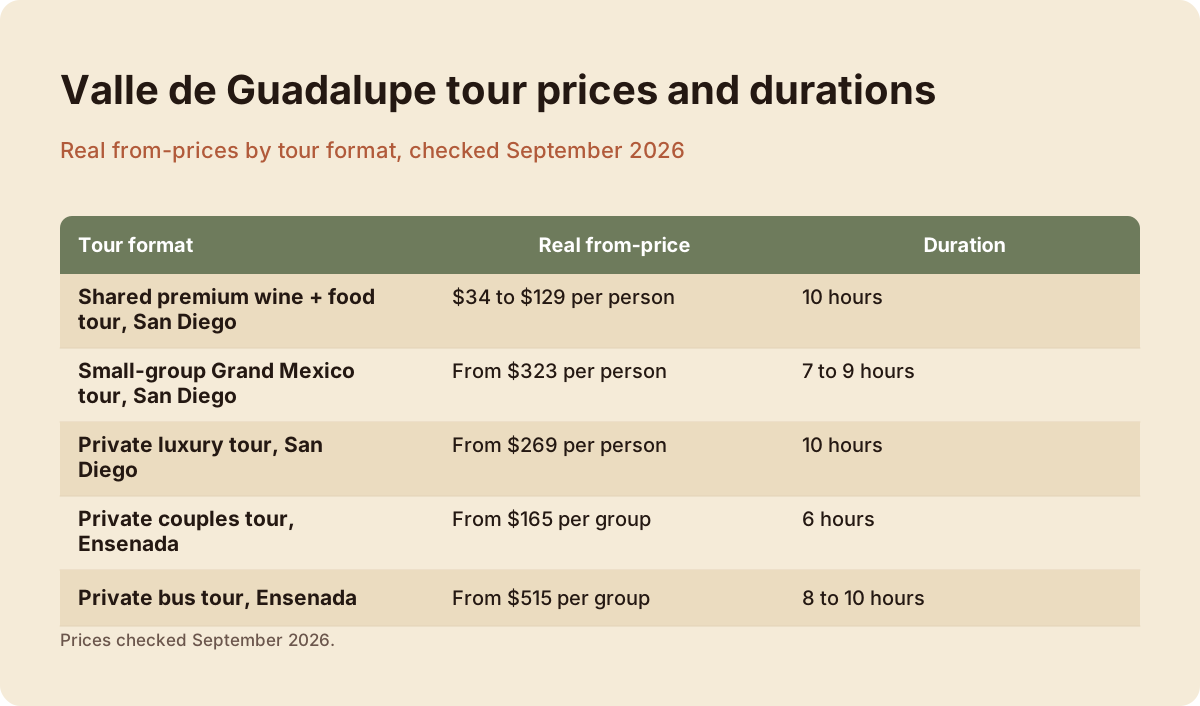
Start with the money, using the roster's own real from-prices rather than invented averages. The all-inclusive premium wine and gourmet food tour from San Diego runs from $34 to $129 per person depending on group size and options. The San Diego wine and dine day trip runs $34 to $126 on the same sliding scale. A private luxury tour from San Diego starts at $269 per person. Out of Ensenada, a private group tour starts at $275 per group and the couples variant at $165 per group for two.
The point of listing real numbers is that a full guided day here, transportation and often a meal included, undercuts a single flight from many US cities to the Bay Area for a Napa trip. For a traveler already in San Diego, the arithmetic is not close. The currency question is minor in practice: pesos are the local currency, but the tours quote in USD and the tasting rooms in the valley are accustomed to cross-border visitors.
| Tour format and departure | Real from-price | Duration | Included |
|---|---|---|---|
| Shared premium wine + food tour, San Diego | $34 to $129 per person | 10 hours | Gourmet food tasting, pickup |
| Small-group Grand Mexico tour, San Diego | From $323 per person | 7 to 9 hours | Meals, tastings, transport |
| Private luxury tour, San Diego | From $269 per person | 10 hours | Lunch, cheese platter |
| Private couples tour, Ensenada | From $165 per group, up to 2 people | 6 hours | Private guide |
| Private bus tour, Ensenada | From $515 per group | 8 to 10 hours | Pickup, private group |
Then there are the rules Napa never imposes in the same way. Mexico's federal legal blood-alcohol limit for drivers is 0.05 g/dL, stricter than the 0.08 standard in most US states, and some Mexican states and cities enforce even tighter limits. Per NHTSA, even one standard drink measurably impairs driving. That is the public-health basis for why wine tours here are sold with transportation included, and it is a good reason to take that deal.
The insurance point is the one most self-drivers miss. US auto insurance is not recognized for liability coverage in Mexico, and a separate Mexican-issued liability policy is legally required for any vehicle driven there, per AAA. Driving without it risks detention or impoundment after an incident. This is the real, unglamorous reason nearly every tour in the region includes its own insured vehicle and driver, and why the tour price is doing more work than it first appears.
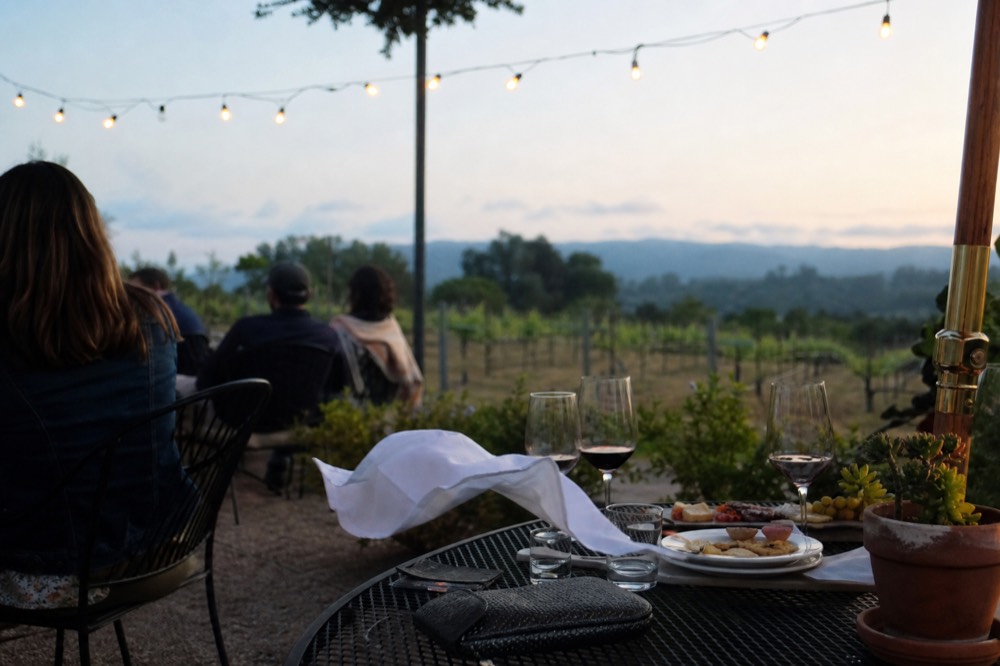
Given that a booked tour absorbs the border, the insurance and the driving question in one price, it is worth seeing what the small-group format actually costs on its live listing before committing to anything.
How do the terrain and climate differ?
Napa Valley is a Mediterranean coastal-California climate of fog, oak and moderate rainfall. Valle de Guadalupe is a high-desert-influenced valley, drier, hotter in summer, with cold nights and dramatically different water economics, which is a real reason the wines taste different.
Keeping this at a safely general level: Napa sits in coastal Northern California, where Pacific fog and winter rain moderate everything. The Valle de Guadalupe sits inland from the Pacific at Baja California's latitude, in a rain-shadow-influenced valley where irrigation and water scarcity shape farming decisions in a way Napa growers rarely confront. Hot days, cool nights and thin soils are the general pattern winemakers here work with.
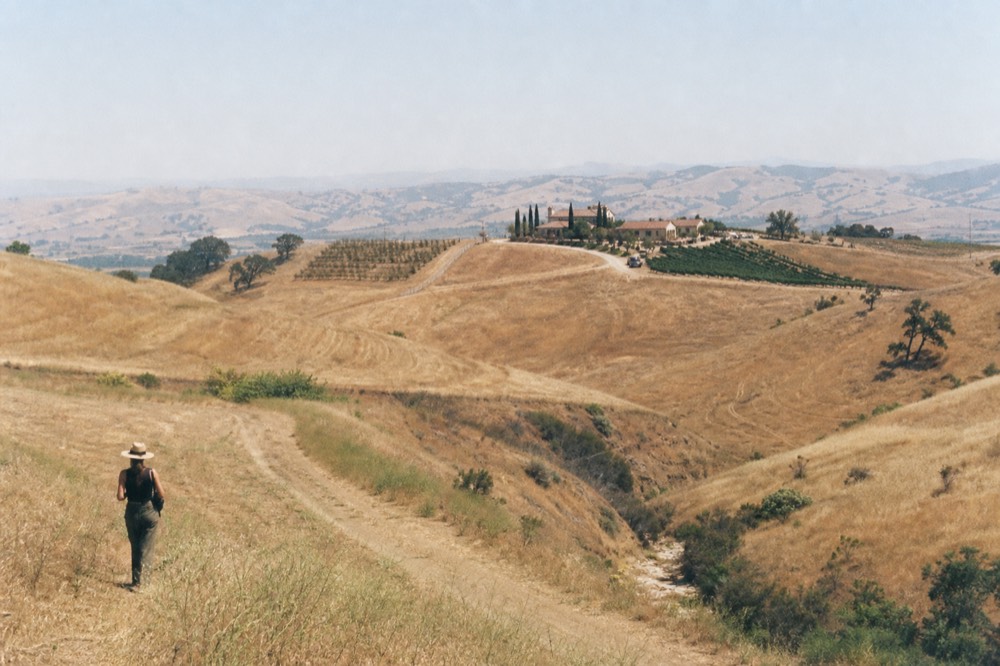
You will see the difference before you taste it. The drive in from Ensenada passes scrubland and dry hillsides rather than the green corridors of the Napa floor. Vineyard rows climb hills that look closer to inland Baja than to anything north of the Golden Gate. None of this is a defect. It is a different wine-growing proposition, and the wines that come out of it are distinctive for exactly these reasons.
Climate also shapes the visit itself. Summer afternoons in the valley run hot, which is why tasting itineraries and restaurant reservations cluster around midday and evening, and why timing your visit matters more here than a season guide would for Napa, where the maritime climate flattens the extremes.
How does the tour experience itself differ?
In Napa, a wine tour is mostly a tasting itinerary; you drive yourself or hire a car separately. In Valle de Guadalupe, nearly every day trip bundles transportation, border logistics, a bilingual driver-guide and often a meal into one price, because the alternative, self-driving across an international border after tasting, is genuinely impractical.
This is the structural insight most first-page comparisons miss. The Napa tour market assumes you arrived in wine country under your own power. The Valle de Guadalupe tour market assumes you crossed a border, face a 0.05 BAC limit, need Mexican insurance if driving, and want someone else to absorb the border wait on the return leg. The tour is not an add-on here; it is the practical format for visiting.
The roster bears this out. The Baja Tour Guide private tour from Tijuana advertises pickup directly from your hotel and all-day transportation, from $169 per person, rated 5.0 across 62 reviews. The Rosarito Casa Frida shared tour, from $140 per person, rated 4.5 across 36 reviews, promises door-to-door service along the coast. The cruise-port tour out of Ensenada runs just 4 to 5 hours from $207.80 per person, sized precisely for a port call where the ship, not the traveler, controls the schedule.
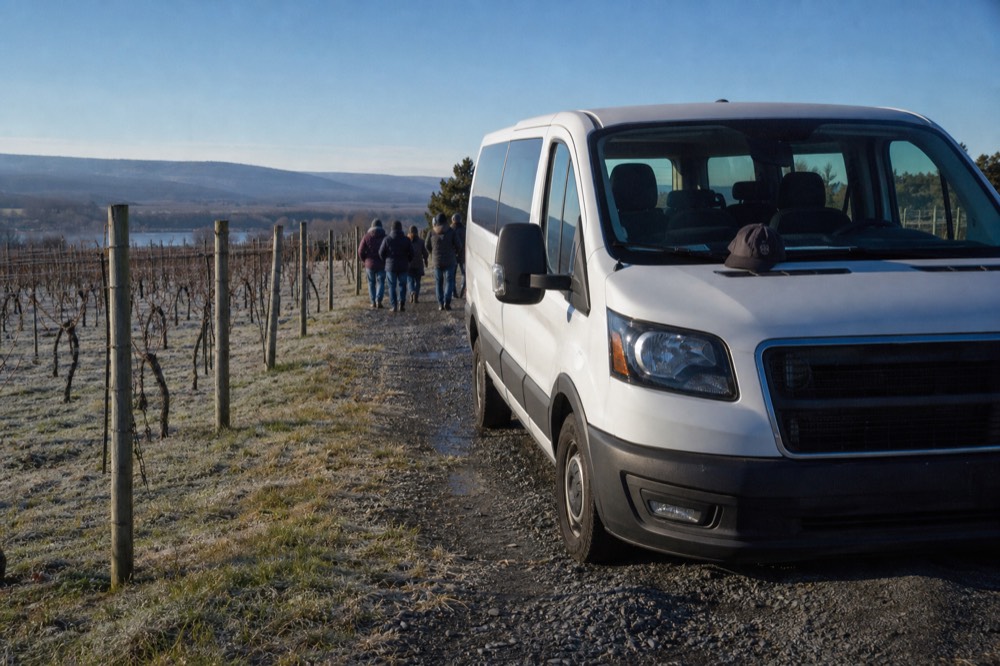
The Grand Mexico Wine Country Tour is the clearest expression of the format: a small-group day from San Diego, 7 to 9 hours, from $323 per person, with meals, tastings and round-trip transportation included, so the border, the insurance and the driving-back-after-tasting problems all disappear into the ticket price. It is a newer listing, 5.0 so far across a handful of reviews, so read the current reviews before committing.
There is a quality-control angle worth knowing too. Mexico's federal tourism authority, SECTUR, runs a real tour-guide accreditation system under NOM-08-TUR-2002 and NOM-09-TUR-2002, with required training hours, first aid and CPR, a language exam and a credential valid up to four years. None of the operators in our roster list that credential on their pages, so treat this as a question to ask rather than a claim about any of them. Napa has no single federal equivalent; the comparison is apples to a different fruit, but the existence of a national credential system is a real marker of a country taking wine tourism seriously.
Is there real wine infrastructure, or is it a roadside novelty?
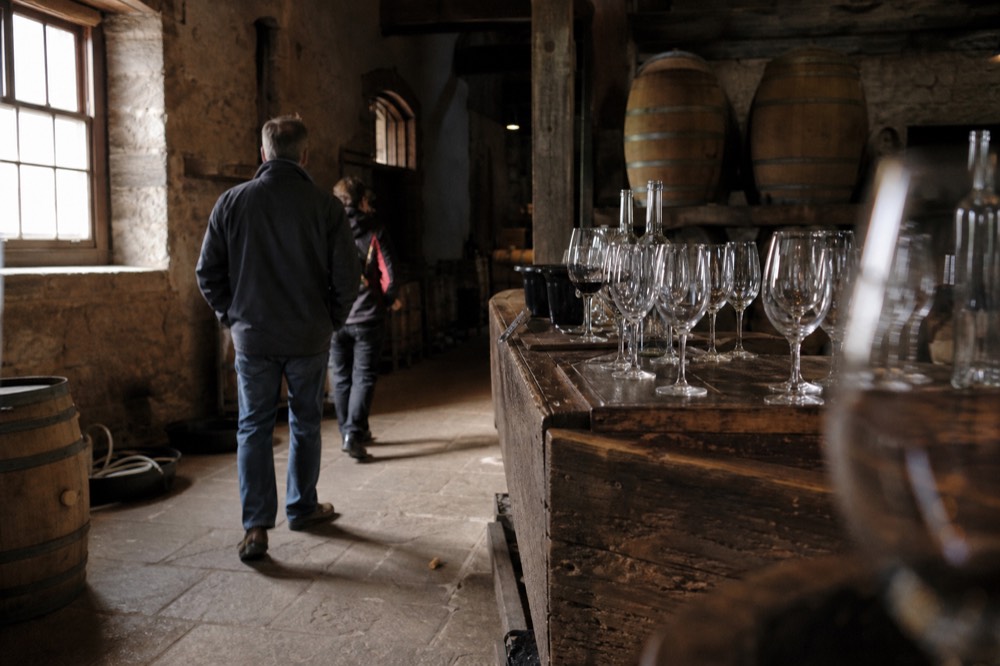
The region has genuine wine infrastructure: venues including Cuatro Cuatros, L.A. Cetto Winery, Rondo del Valle, Baron Balche, Bodegas San Rafael and Los Globos Cheese & Wine Shop are all real, confirmed wineries and venues in and around the valley. This is a working wine region, not a tourist trap with grapes painted on the wall.
We name these six because they are real, and that is honestly all we can say about them: no invented production volumes, founding stories or tasting menus. The reason to name them at all is evidentiary. A region with multiple established wineries, a cheese and wine shop, and a valley in Ojos Negros supporting a dedicated cheese-and-wine tasting tour is a region with real agricultural and hospitality infrastructure behind the nickname.
The Ojos Negros tour is itself evidence of depth: a 6-hour private-option cheese and wine tasting experience from Ensenada, from $150 per person, with pickup included and free cancellation confirmed on its listing. You do not build a cheese-and-wine pairing itinerary on a novelty. For the venue side of the picture, our best wineries in Valle de Guadalupe guide is the deeper resource.
Who should choose Valle de Guadalupe over a Napa day, and who should not?
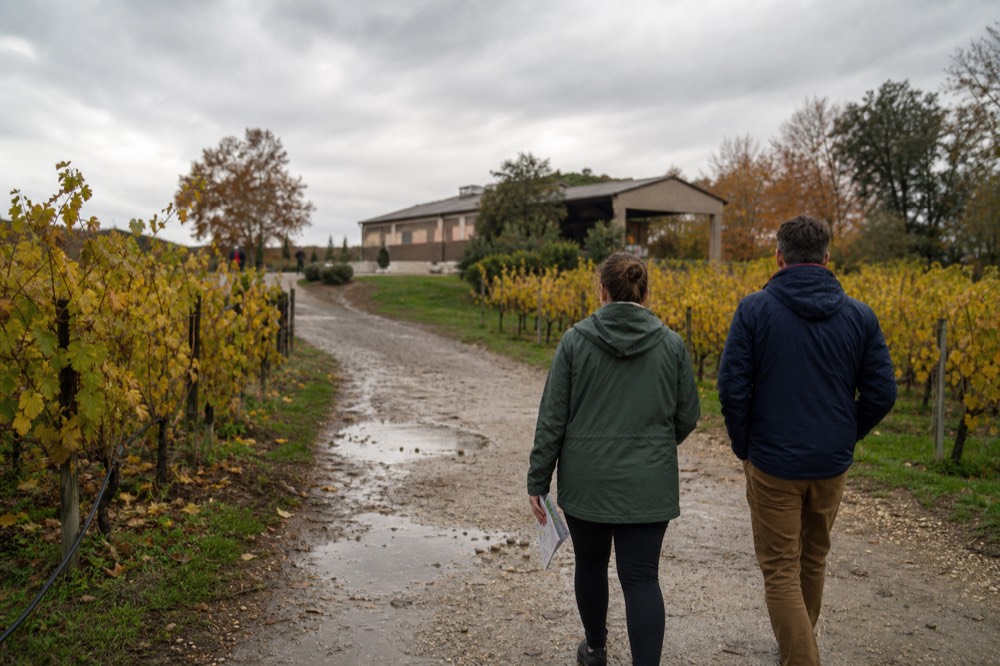
Choose Valle de Guadalupe if you are already in San Diego or on a cruise into Ensenada, hold a WHTI-compliant document, want a lower-cost full-day guided experience, and are curious about a wine region that feels less polished and more raw than Napa. Skip it if you lack travel documents, cannot tolerate border uncertainty, or want a predictable, fully domestic tasting itinerary.
The cost-sensitive case is real and quantified above: a full guided day with transport, tastings and often food, starting at $34 per person on shared formats, against the cost of reaching and touring Napa. The experience case is real too: this is a younger, less corporate wine region, and travelers who want that energy will prefer it. Our is Valle de Guadalupe worth it piece takes that question on directly.
The honest exclusion matters just as much. A cost-sensitive first-timer without travel documents should not attempt a same-day crossing. The WHTI rule is not flexible, and discovering at the border that a birth certificate does not work is an expensive way to end a wine-country plan. Check the document question first, then the price question, in that order. If the document box is unchecked, Napa or another domestic region is the right answer this trip.
| Traveler profile | Better fit | Why |
|---|---|---|
| San Diego local with a passport card | Valle de Guadalupe | Two-hour drive, guided day from $34 per person |
| Traveler without WHTI documents | Napa or domestic | Land re-entry requires a compliant document, no exceptions |
| Cruise passenger calling at Ensenada | Valle de Guadalupe | Port-specific tours run 4 to 5 hours, from $207.80 per person |
| Visitor wanting zero logistics risk | Napa | Domestic trip, no border, no currency, no insurance question |
| Budget-conscious group | Valle de Guadalupe | Private group tours from $165 to $515 per group |
For the private-option end of the range, the luxury private tour from San Diego, from $269 per person, rated 5.0 across 182 reviews, is the most-reviewed premium option on our roster, with lunch and a cheese platter included across a 10-hour day. It is the format closest to a chauffeured Napa private tasting, minus the border paperwork on your side of the glass.
Whether the comparison ends in a booking or a pass, the honest summary is this: Valle de Guadalupe Wine Tours exists because the region rewards travelers who plan for the border rather than around it. If the three formats above left you undecided, this final side-by-side selection recaps the small-group, private and cheese-pairing options in one place.
The Mexican version of Napa Valley is Valle de Guadalupe, roughly 75 miles south of San Diego, and the practical differences from a Napa day trip come down to documents, price, driving law and insurance rather than the quality of the wine itself.
Common questions about Mexico's Napa Valley
What is the Mexican version of Napa Valley?
Valle de Guadalupe, in Baja California roughly 75 miles and about two hours south of San Diego near Ensenada. It is Mexico's most visited wine region and the one the nickname almost always refers to.
How far is Valle de Guadalupe from San Diego?
Roughly 75 miles, about a two-hour drive south of San Diego, before border-crossing time, which varies by hour and day.
Is Valle de Guadalupe cheaper than Napa Valley?
Generally yes for a guided day. Shared tours here start at $34 per person and private group tours run $165 to $515 per group, with transportation and often meals included, which undercuts most comparable Napa experiences.
Do you need a passport for Valle de Guadalupe?
To re-enter the US by land, yes: a passport book, passport card or Trusted Traveler card such as SENTRI is required under the WHTI rule in force since 2009. A birth certificate plus photo ID is not sufficient.
Can you drive yourself in Valle de Guadalupe?
You can, but Mexican law requires a Mexican-issued auto liability policy, since US insurance is not recognized there, and the legal driving BAC limit is 0.05 g/dL, stricter than most US states. This is why most visitors book tours with transportation included.
Is Valle de Guadalupe safe?
The US State Department rates Baja California state at Level 3: Reconsider Travel, citing crime and kidnapping, with no valley-specific carve-out. Tourist zones and main highways are treated differently in practice, and millions of Americans cross yearly, but the advisory should be read honestly rather than dismissed.